The audio for this story is currently not available.
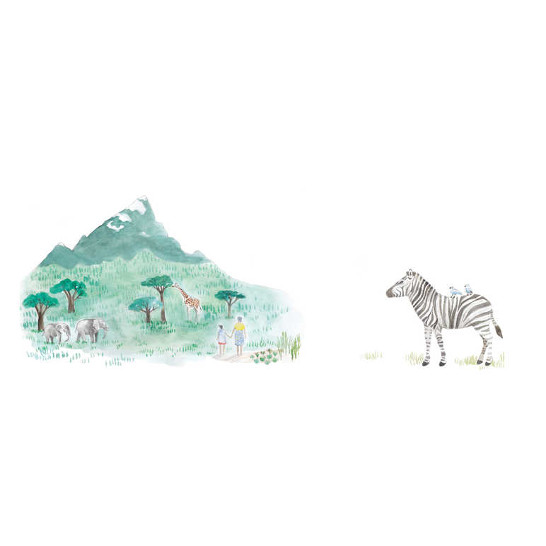
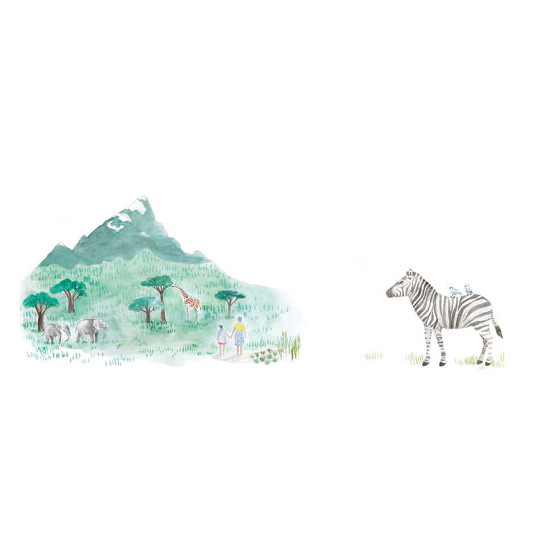
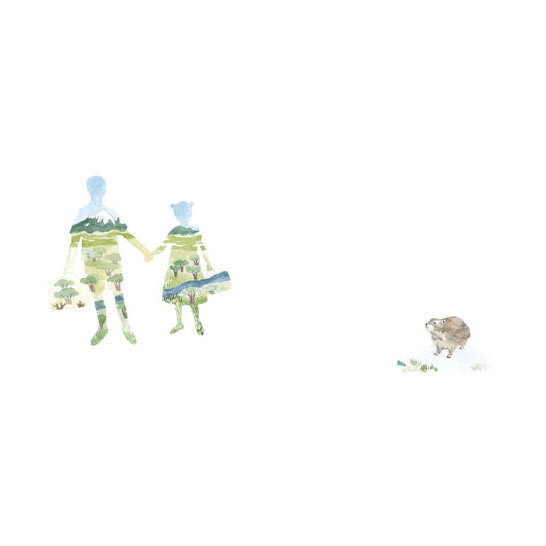
M’mudzi wina womangidwa pamatelo a phili la Kenya Kum’mawa kwa Africa, kamtsikana kakang’ono kamagwila nchito m’munda ndi amai ake. Dzina lake anali Wangari.
In a village on the slopes of Mount Kenya in East Africa, a little girl worked in the fields with her mother. Her name was Wangari.
Dans un village situé sur les flancs du Mont Kenya en Afrique de l’Est, une petite fille travaillait dans les champs avec sa mère. Son nom était Wangari.
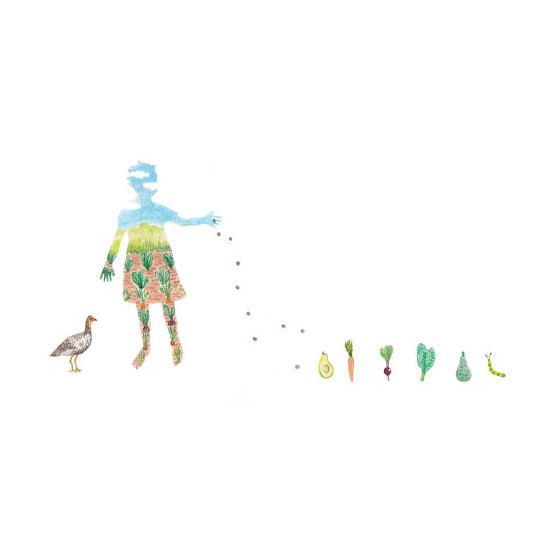
Wangari loved being outside. In her family’s food garden she broke up the soil with her machete. She pressed tiny seeds into the warm earth.
Wangari aimait beaucoup être dehors. Dans le potager de sa famille, elle faisait des trous dans le sol avec sa machette. Elle enfouissait des petites graines dans la terre chaude.
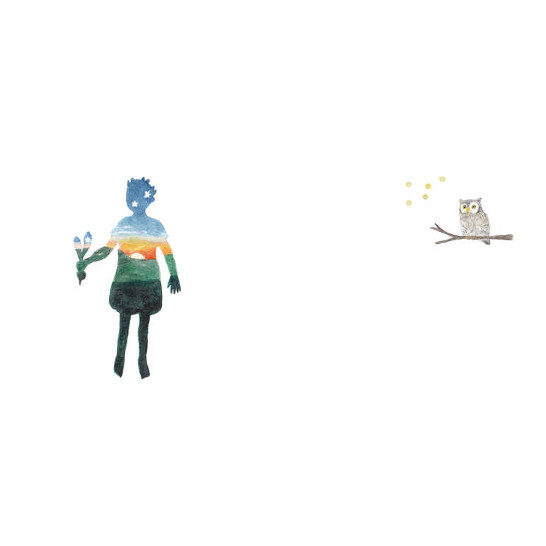
Her favourite time of day was just after sunset. When it got too dark to see the plants, Wangari knew it was time to go home.
She would follow the narrow paths through the fields, crossing rivers as she went.
Son moment préféré de la journée était juste après le coucher du soleil. Quand il faisait trop nuit pour voir les plantes, Wangari savait qu’il était l’heure de rentrer à la maison. Pour rentrer, elle devait suivre des sentiers étroits à travers champs et traverser des rivières.
Wangari anali mwana wocenjela kwambili ndipo anali wofunitsitsa kupita kusukulu kukaphunzila. Koma makolo ake sanafune kuti kamtsikana aka kaphunzile koma kazikhala pa nyumba ndi kugwila ncthito. Pamene Wangari anali ndi zaka zisanu and ziwili, mukulu wake wamwamuna anagonjetsa makolo awo pokambilana kuti Wangari apite kusukulu akaphunzile.
Wangari was a clever child and couldn’t wait to go to school. But her mother and father wanted her to stay and help them at home.
When she was seven years old, her big brother persuaded her parents to let her go to school.
Wangari était une enfant intelligente et avait hâte d’aller à l’école. Mais sa mère et son père voulaient qu’elle reste à la maison pour les aider. Quand elle eut sept ans, son grand frère persuada ses parents de la laisser aller à l’école.
Wangari anakonda kuphunzila kwambili motelo kuti anaphunzila kopitilila kupyolela mkuwelenga mabuku osiyana-siyana. Ndipo anakhoza kwambili pa sukulu motelo kuti anapeza umwayi wokaphunzila ku dziko lakutali la United States of America. Wangari anasangalala kwambili cifukwa anali kufunitsitsa kudziwa zambili zapa dziko lapansi.
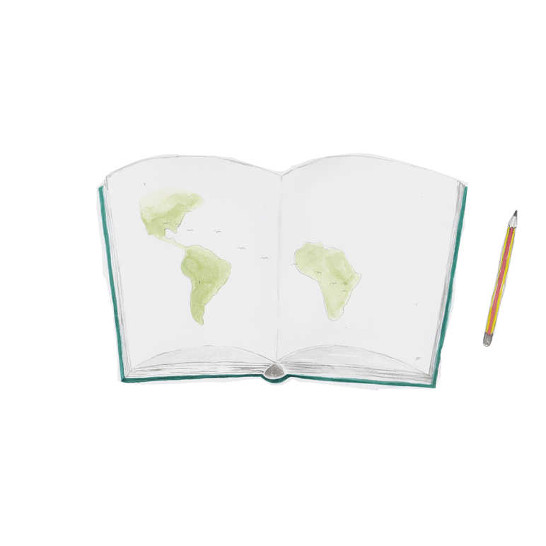
She liked to learn! Wangari learnt more and more with every book she read. She did so well at school that she was invited to study in the United States of America.
Wangari was excited! She wanted to know more about the world.
Elle aimait apprendre ! Wangari apprenait de plus en plus avec chaque livre qu’elle lisait. Elle travaillait si bien à l’école qu’elle fut invitée à étudier aux Etats Unis d’Amérique. Wangari était enthousiaste ! Elle voulait en savoir plus sur le monde.
Wangari anaphunzila zinthu zambili pamene anali pa American Univeziti. Anaphunzila pa zomela ndi mumene zimakulila. Zimenezi zinamukumbutsa mumene anali kusewelela ndi abale ake mthunzi ya mitengo mthengo laku-dziko lokongola la Kenya.
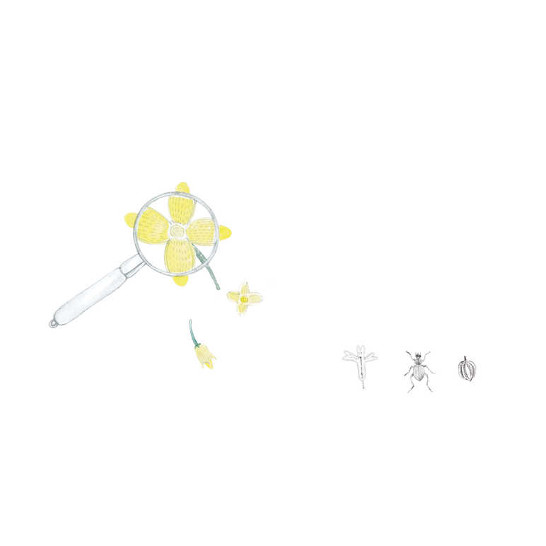
At the American university Wangari learnt many new things. She studied plants and how they grow. And she remembered how she grew: playing games with her brothers in the shade of the trees in the beautiful Kenyan forests.
A l’université américaine, Wangari apprit beaucoup de choses nouvelles. Elle étudia les plantes et la manière dont elles grandissent. Et elle se rappela comment elle avait grandi : en jouant avec ses frères à l’ombre des arbres dans les magnifiques forêts du Kenya.
Pamene anali kuphunzila tsiku ndi tsiku anazindikila kuti akonda anthu akwao ku Kenya. Anali kufuna kuti anthu kudziko limeneli tsiku lina akapate ufulu ndi mtendele. Pamene anapitiliza ndi maphunzilo ake, anapitiliza kukumbukila kumalo lakwao ku Africa.
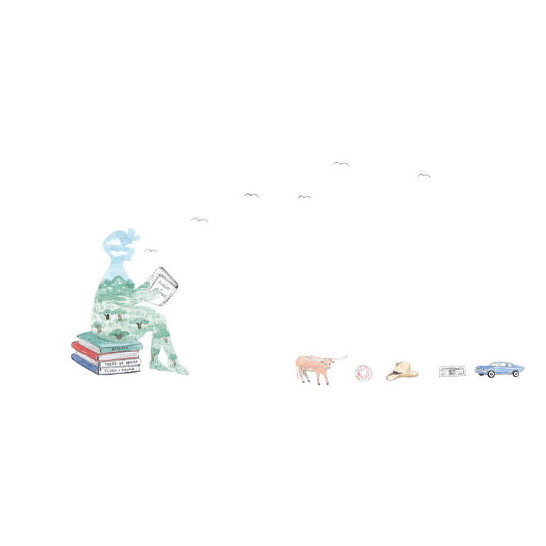
The more she learnt, the more she realised that she loved the people of Kenya. She wanted them to be happy and free.
The more she learnt, the more she remembered her African home.
Plus elle apprenait, plus elle réalisait qu’elle aimait les habitants du Kenya. Elle voulait qu’ils soient heureux et libres. Plus elle apprenait, plus elle se rappelait son foyer africain.
Anabwelela kudziko lakwao ku Kenya pamane anamaliza maphunzilo ake ndipo nthawi imeneyi dziko la Kenya linali litasintha. Mapulazi akulu akulu anatenga malo ochuluka. Azimai anali kusowa kotheba nkhuni cifukwa mitengo kunalibe. Anthu anali osauka ndipo ana anali kuoneka anjala.
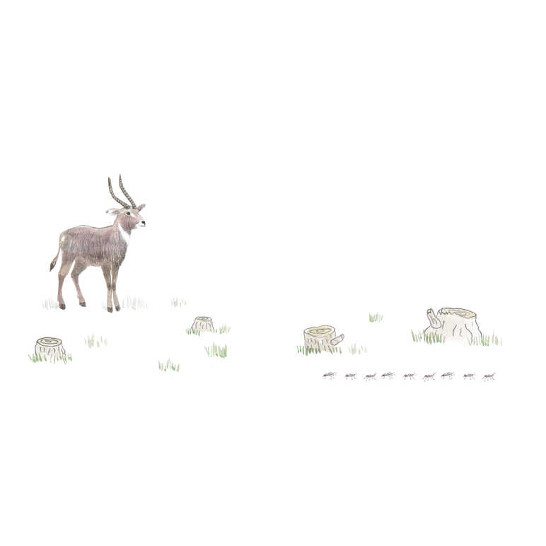
When she had finished her studies, she returned to Kenya. But her country had changed. Huge farms stretched across the land. Women had no wood to make cooking fires. The people were poor and the children were hungry.
Quand elle eut terminé ses études, elle retourna au Kenya. Mais son pays avait changé. De larges fermes s’étendaient à travers la campagne. Les femmes n’avaient plus de bois pour cuire les aliments. Les gens étaient pauvres et les enfants avaient toujours faim.
Wangari anali kudziwa cofunika kucita kuti athetsa mabvuto amenewa: anaphunzitsa azimai kubzyala mitengo kucokela kumbewu. Azimai amenewa anayamba kugulitsa mitengo zao zitakula ndikupeza ndalama zosamalila ma banja awo. Cifukwa cacimenechi azimai anakhala wokondwela kwambili ndi Wangari amene anawa thandiza kuti akhale ndi mphanvu komanso olimba.
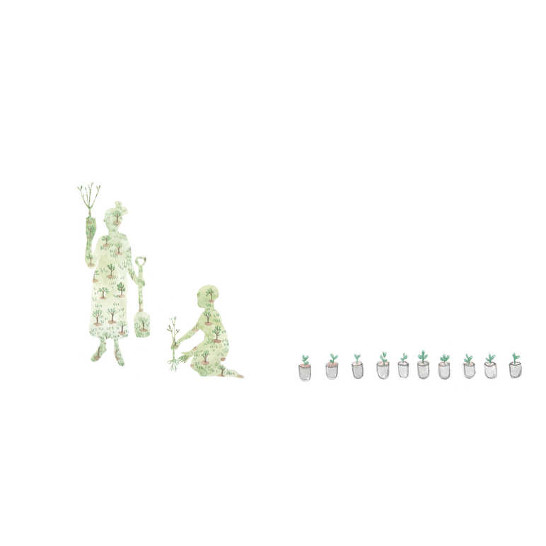
Wangari knew what to do. She taught the women how to plant trees from seeds. The women sold the trees and used the money to look after their families. The women were very happy. Wangari had helped them to feel powerful and strong.
Wangari savait ce qu’il fallait faire. Elle apprit aux femmes comment planter des arbres en utilisant des graines. Les femmes vendirent les arbres et utilisèrent l’argent pour faire vivre leurs familles. Les femmes étaient très heureuses. Wangari les avait aidées à se sentir puissantes et fortes.
Patapita zaka zambili, mitengo imene inabzyalidwa ija, inakula ndi ku panga thengo. Mitsinje inayambanso kukhala ndi madzi. Mbili ya Wangari inafika ponseponse mu Africa. Lelolino, mitengo yamitundu-mitundu mamilyoni tilkuonayi inacokela ku mbewu ya Wangari.
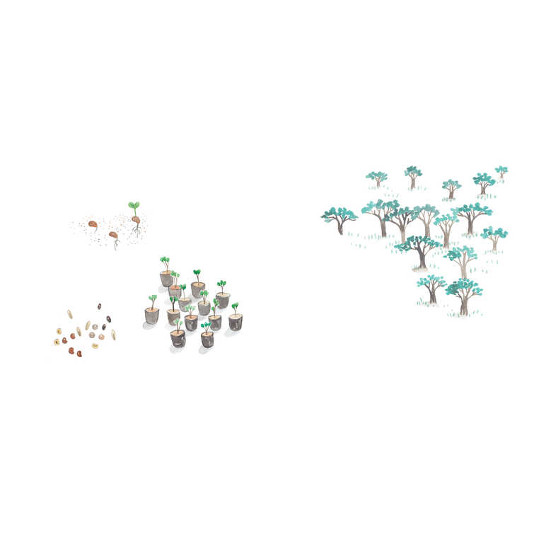
As time passed, the new trees grew into forests, and the rivers started flowing again. Wangari’s message spread across Africa. Today, millions of trees have grown from Wangari’s seeds.
Avec le temps, les nouveaux arbres se transformèrent en forêts, et les rivières recommencèrent à couler. Le message de Wangari traversa toute l’Afrique. Aujourd’hui des millions d’arbres ont grandi grâce aux graines de Wangari.
Wangari had worked hard. People all over the world took notice, and gave her a famous prize. It is called the Nobel Peace Prize, and she was the first African woman ever to receive it.
Wangari avait travaillé dur. Partout dans le monde, les gens s’en aperçurent et lui donnèrent un prix renommé. Il s’appelle le Prix Nobel de la Paix et elle fut la première femme africaine à le recevoir.
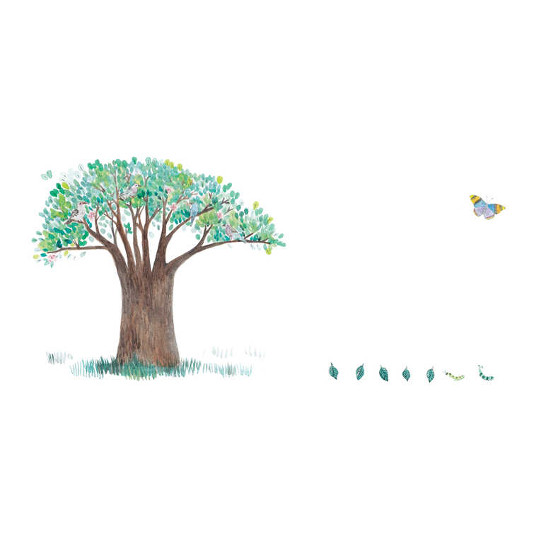
Wangari anamwalila mu caka ca 2011, koma timamukumbukila tikamaona mtengo wokongola uliwonse mthengo.
Wangari died in 2011, but we can think of her every time we see a beautiful tree.
Wangari mourut en 2011 mais nous pensons à elle à chaque fois que nous voyons un bel arbre.