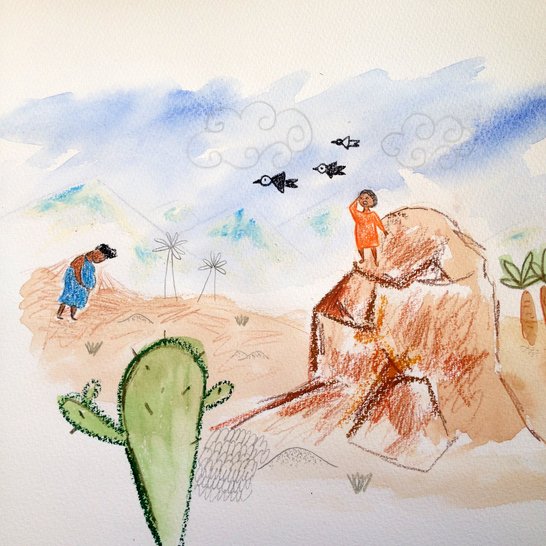
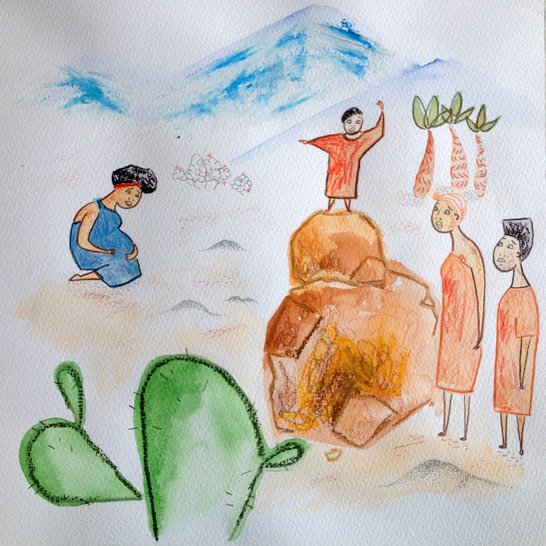
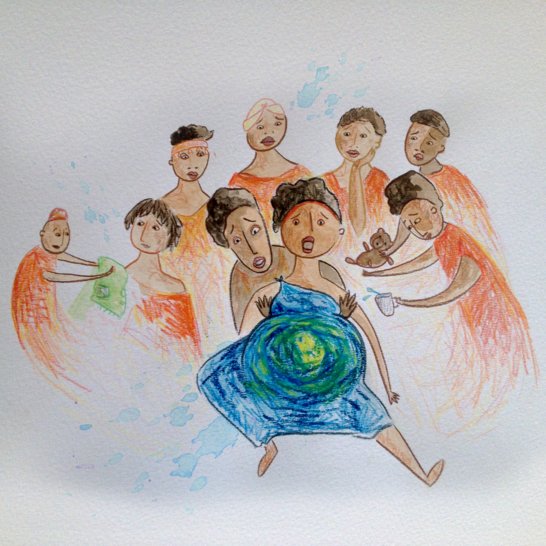
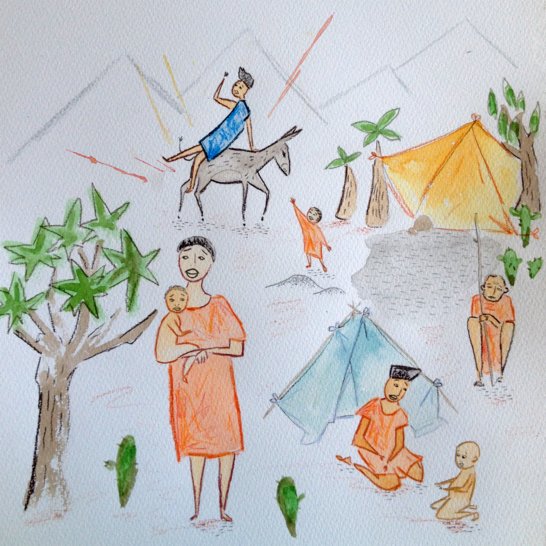
As the shape moved closer, she saw that it was a heavily pregnant woman.
Tandis que la forme se rapprocha, la petite fille vit que c’était une femme enceinte de plusieurs mois.
Nangu umukashana aali ne nsoni alishipile no kupalama mupepi na namaayo. “Tufwile twamusunga uyu namaayo,” efyalandile abantu. “Tulemusunga bwino no mwana wakwe.”
Shy but brave, the little girl moved nearer to the woman.
“We must keep her with us,” the little girl’s people decided. “We’ll keep her and her child safe.”
Timide mais brave, la petite fille se rapprocha de la femme. « Nous devons la garder avec nous, » dit le peuple de la petite fille. « Nous la garderons en sécurité, ainsi que son enfant. »
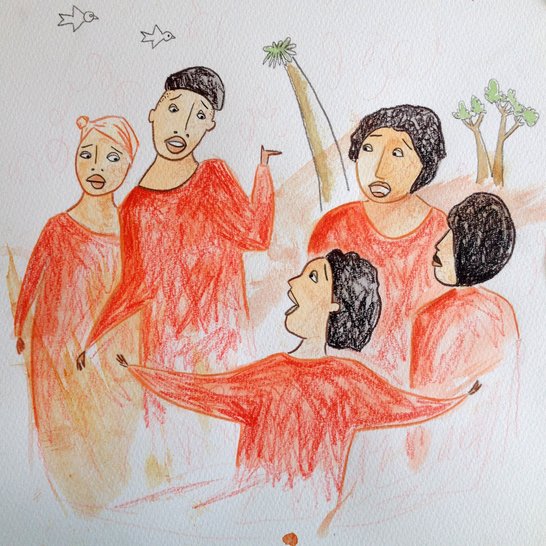
Everyone began to argue.
“We said we would keep mother and child safe, and that’s what we’ll do,” said some.
“But they will bring us bad luck!” said others.
Tout le monde commença à se disputer. « Nous avions dit que nous garderions mère et enfant en sécurité et c’est ce que nous ferons, » dirent quelques-uns. « Mais ils vont nous porter malchance ! » dirent d’autres.
Efyo nomba namaayo aisangile eka na kabili. Taishibe ifyakucita no mwana wa musango uyu. Taishibe ifyakucita umwine.
And so the woman found herself alone again.
She wondered what to do with this awkward child.
She wondered what to do with herself.
Ainsi, la femme se retrouva seule encore une fois. Elle se demanda quoi faire de cet enfant embarrassant. Elle se demanda quoi faire d’elle-même.
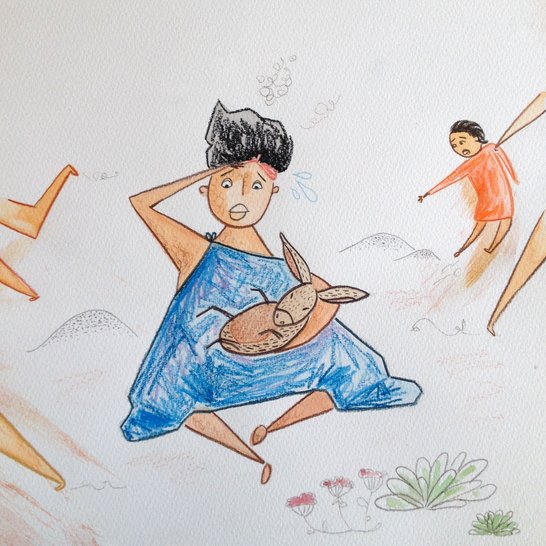
Panuma aasuminafye ukuti umwana aali mwana wakwe elyo nao ali ni nyina.
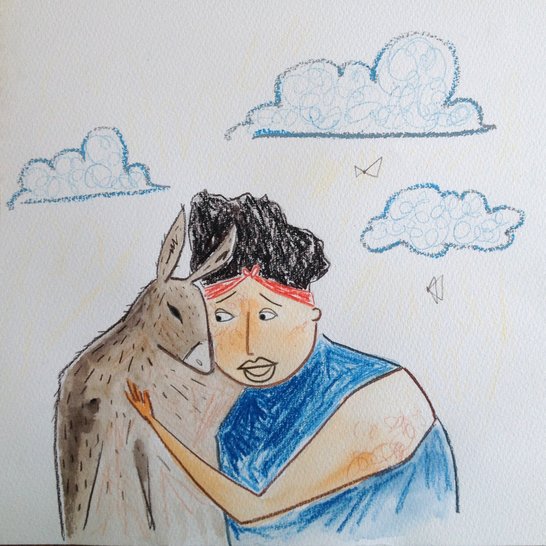
But finally she had to accept that he was her child and she was his mother.
Mais elle dut finalement accepter qu’il était son enfant et qu’elle était sa mère.
Nomba nga cakuti umwana taaleekula, alifye umunono, fyonse nga fyalifye bwino. Lelo uyu punda alikulile saana icakuti aleka ukukumana mu numa yaba nyina. Elyo nangu eshe shani, ificitwa fyakwe tafyali fya buntu. Inshita yonse banyina baleebafye ne cifukushi kabili abanaka. Limo-limo baaleemupeela incito sha nama.
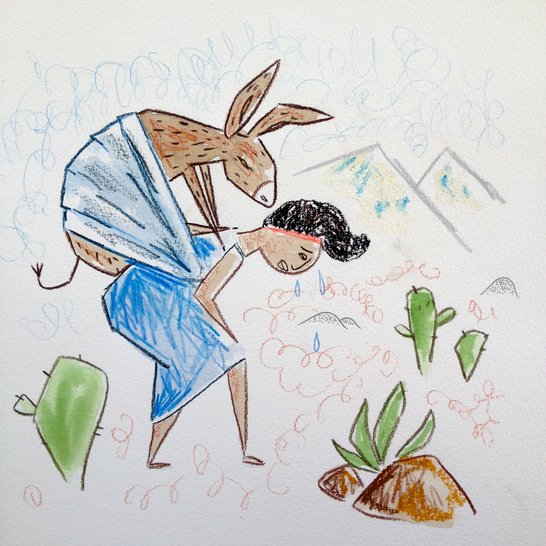
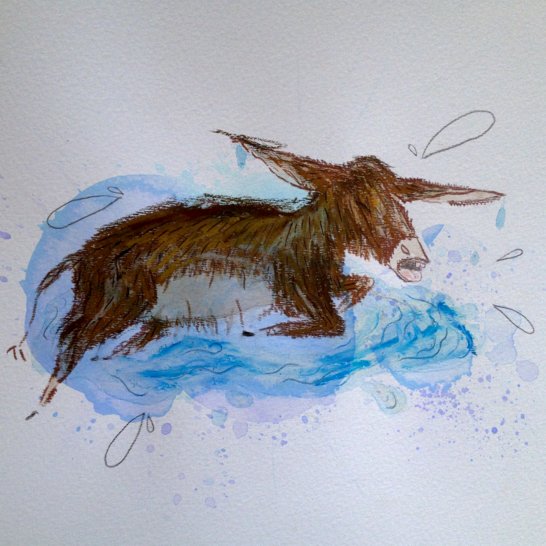
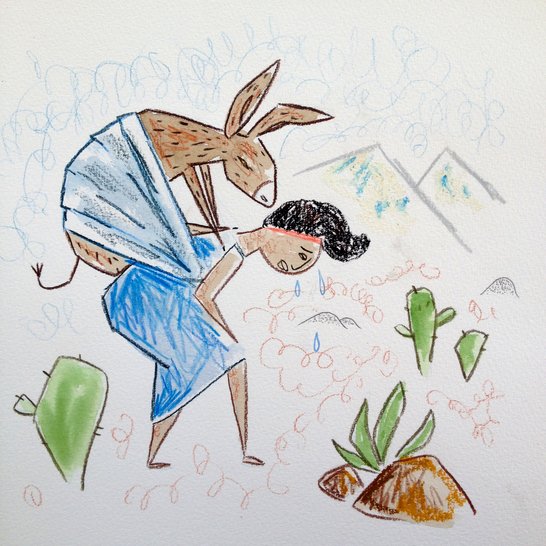
Now, if the child had stayed that same, small size, everything might have been different. But the donkey child grew and grew until he could no longer fit on his mother’s back.
And no matter how hard he tried, he could not behave like a human being. His mother was often tired and frustrated. Sometimes she made him do work meant for animals.
Maintenant, si l’enfant était resté petit, tout aurait été différent. Mais l’enfant-âne grandit et grandit jusqu’à ce qu’il ne puisse plus être porté sur le dos de sa mère. Et malgré ses plus grands efforts, il ne pouvait pas se comporter comme un être humain. Sa mère était très souvent fatiguée et frustrée. Parfois elle l’obligeait à faire du travail destiné aux animaux.
Confusion and anger built up inside Donkey. He couldn’t do this and he couldn’t do that. He couldn’t be like this and he couldn’t be like that.
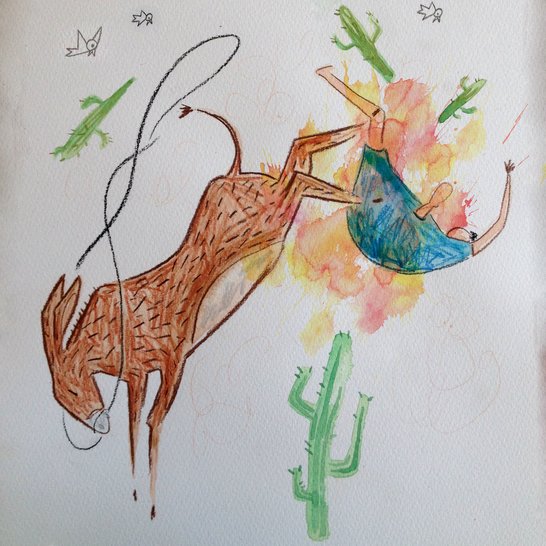
He became so angry that, one day, he kicked his mother to the ground.
La confusion et la colère s’accumulèrent à l’intérieur d’Âne. Il ne pouvait pas faire ceci et il ne pouvait pas faire cela. Il ne pouvait pas être comme ceci et il ne pouvait pas être comme cela. Il devint tellement fâché qu’un jour il botta sa mère par terre.
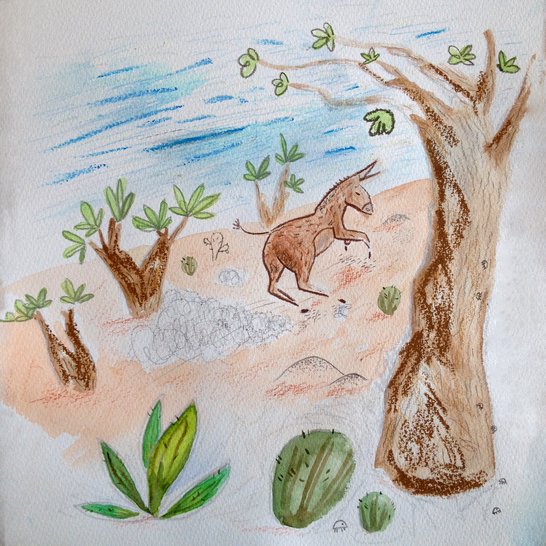
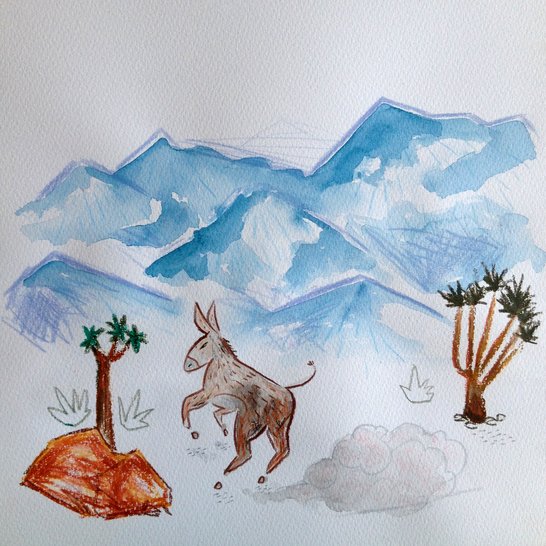
Donkey was filled with shame. He started to run away as far and fast as he could.
Âne fut rempli de honte. Il commença à se sauver aussi vite et aussi loin qu’il pu.
Ilyo Punda alekele ukubutuka, ninshi nakufiita, taishiibe uko aali. “Hee haw?” efyo aitootoosha mumfifi. “Hee Haw?” aumfwa iciunda. Ali eka. Aipeta, apona na mutulo utwinetwine utwamalangulushi.
By the time he stopped running, it was night, and Donkey was lost.
“Hee haw?” he whispered to the darkness.
“Hee Haw?” it echoed back. He was alone.
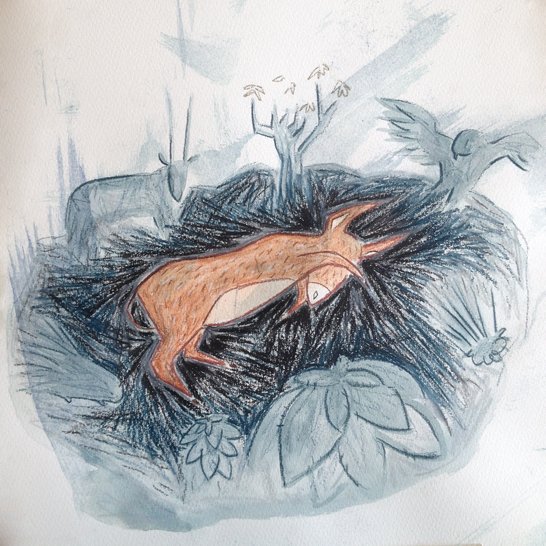
Curling himself into a tight ball, he fell into a deep and troubled sleep.
Quand il s’arrêta de courir, la nuit était tombée et Âne était perdu. « Hi han ? » il chuchota à la noirceur. « Hi han ? » retourna la noirceur en écho. Il était seul. Se lovant en petite boule, il tomba dans un sommeil profond et agité.
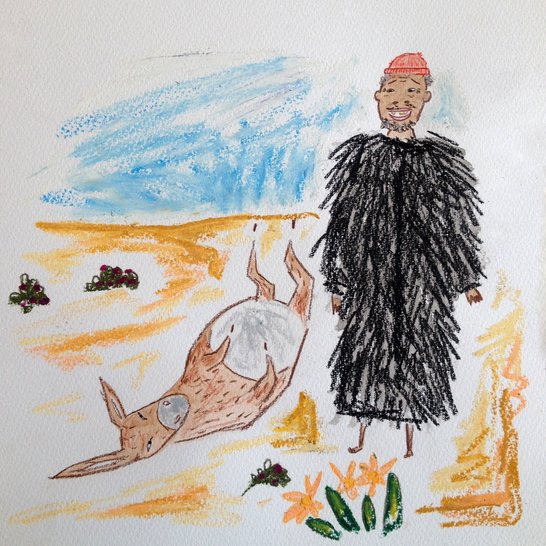
Donkey woke up to find a strange old man staring down at him. He looked into the old man’s eyes and started to feel a twinkle of hope.
Âne se réveilla et vit un vieil homme étrange qui le regardait. Il regarda dans les yeux du vieil homme et commença à ressentir un brin d’espoir.
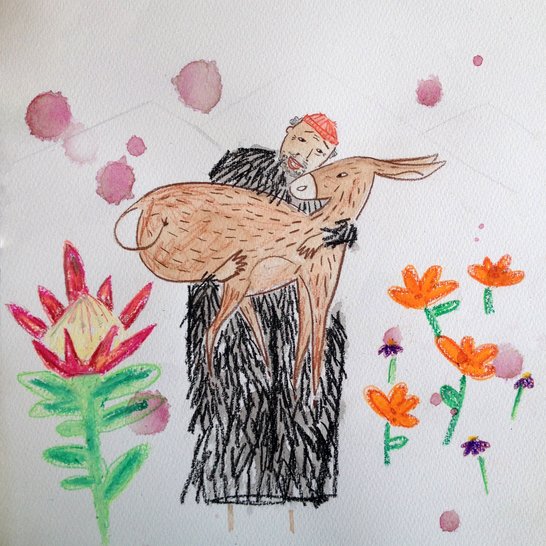
Punda aile mu kwikala na shikulu-bantu, uwamufundile inshila sha kwikalilamo ishingi. Punda aaleumfwa no kusambilila, shikulu-bantu nao wine aaleesambilila. Baleyafwana no kusekela pamo.
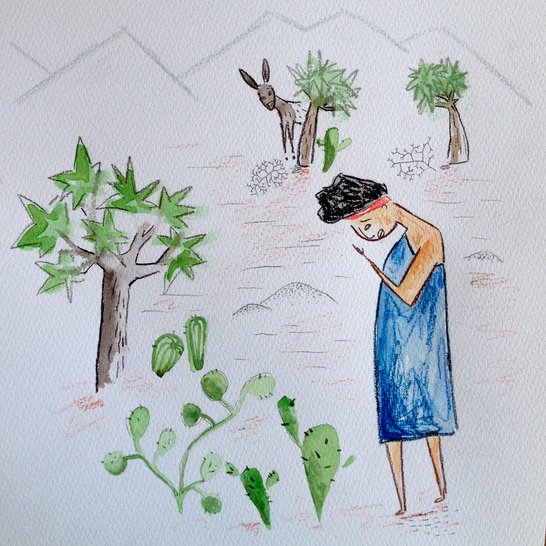
Donkey went to stay with the old man, who taught him many different ways to survive.
Donkey listened and learned, and so did the old man. They helped each other, and they laughed together.
Âne partit vivre avec le vieil homme, qui lui montra plusieurs façons de survivre. Âne écouta et apprit, et le vieil homme aussi. Ils s’aidèrent l’un l’autre et ils rirent ensemble.
Ubushiku bumo, shikulu-bantu aipwishe punda ukumusenda pa muulu wa lupili.
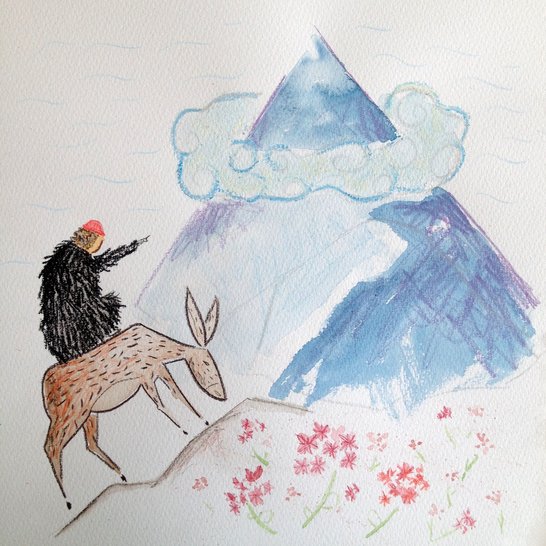
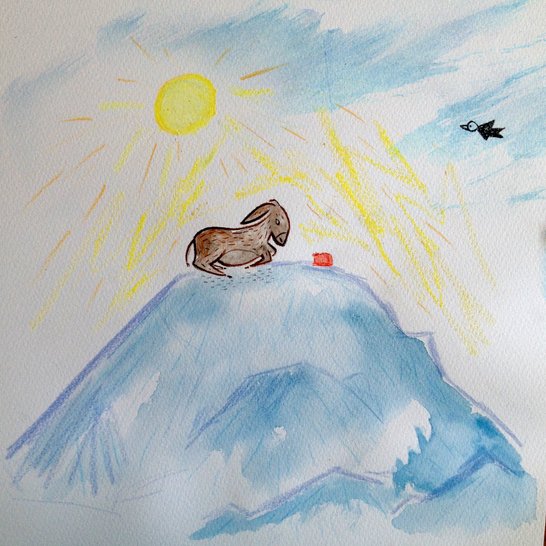
One morning, the old man asked Donkey to carry him to the top of a mountain.
Un matin, le vieil homme demanda à Âne de le transporter jusqu’au sommet d’une montagne.
Pa muulu mu makumbi basendama. Punda aalotele ukuti banyina nabalwala kabili balemwita. Ilyo abukile…
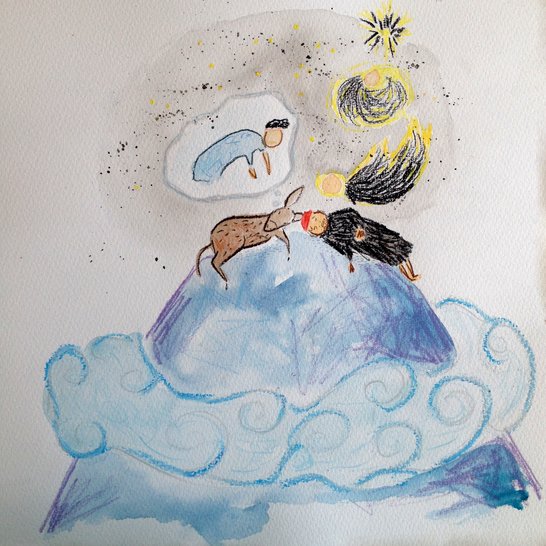
High up amongst the clouds they fell asleep.
Donkey dreamed that his mother was sick and calling to him.
And when he woke up…
En haut, parmi les nuages, ils s’endormirent. Âne rêva que sa mère était malade et qu’elle l’appelait. Et quand il se réveilla…
… asangile amakumbi nayaluba pamo no munankwe, shikulu- bantu.
… the clouds had disappeared along with his friend, the old man.
… les nuages avaient disparu avec son ami le vieil homme.
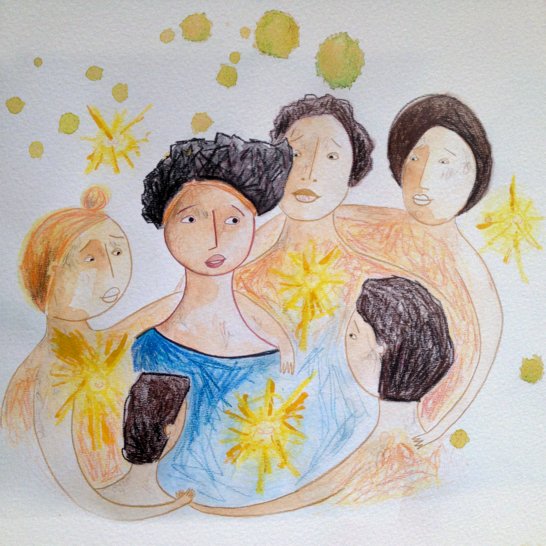
The donkey child and his mother have grown together and found many ways of living side by side.
Slowly, all around them, other families have started to settle.
L’enfant-âne et sa mère ont grandi ensemble et ils ont trouvé plusieurs manières de coexister. Lentement, tout autour d’eux, d’autres familles ont commencé à s’installer.